The U.S. stock market continues to capture global attention as Wall Street posted significant gains today, fueled largely by growing investor optimism that the Federal Reserve may be preparing to cut interest rates in the near future. Hopes for easing monetary policy have been a recurring theme throughout 2025, but today’s developments sent a stronger signal that a rate cut might finally be on the horizon. This shift in sentiment has triggered a broad rally across equities, leaving traders, analysts, and long-term investors weighing the implications for markets, the economy, and corporate earnings.
Market Overview
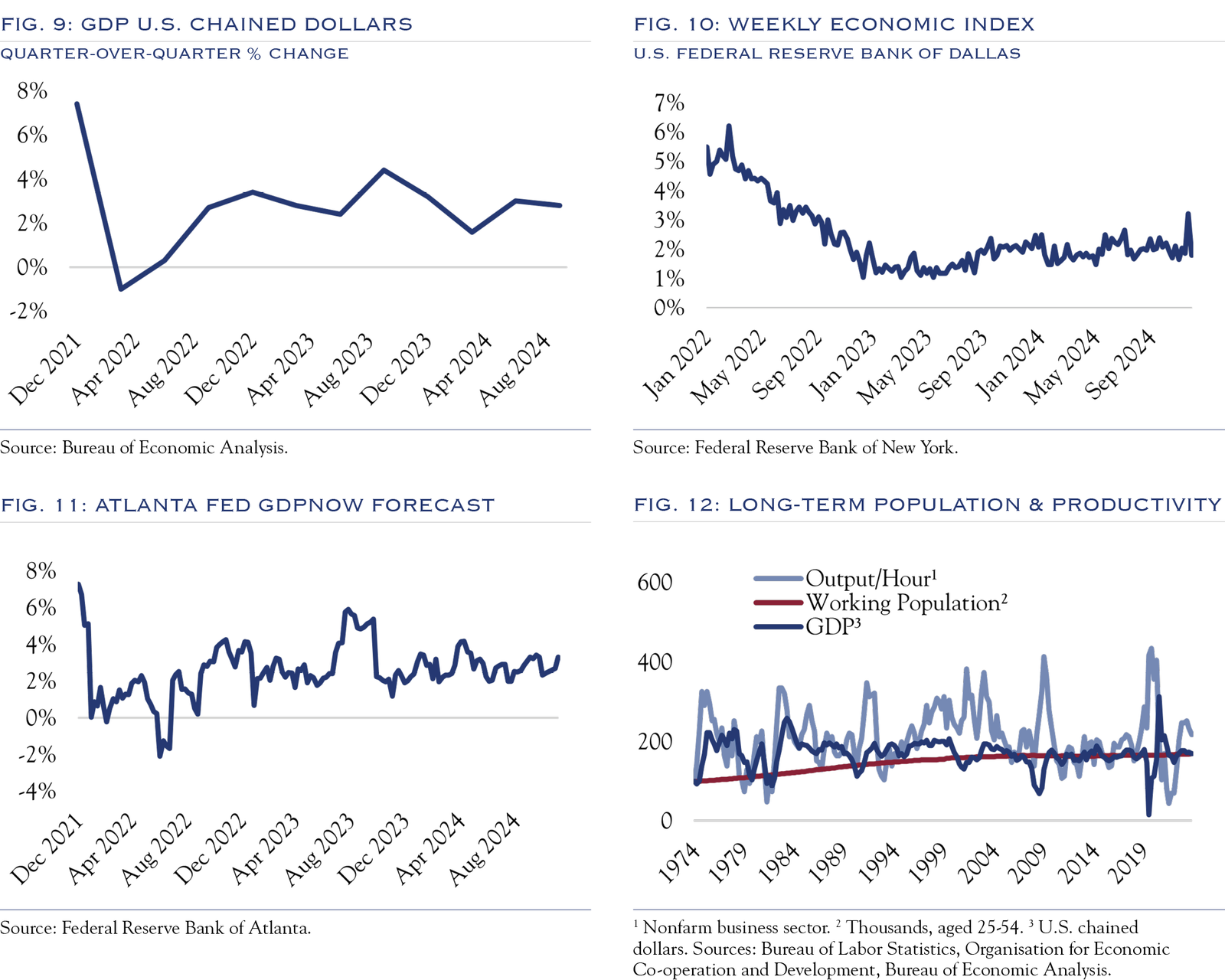
Major U.S. indexes climbed during today’s trading session. The Dow Jones Industrial Average gained momentum after weeks of sideways action, while the S&P 500 and Nasdaq Composite extended their upward trend, particularly as tech and growth stocks surged. Investors interpreted recent comments from Federal Reserve officials, along with softer inflation data, as signs that a policy pivot could be closer than previously expected.
The rally was not confined to a single sector. Banks, consumer discretionary names, industrials, and technology giants all contributed to the gains. Analysts pointed out that easing interest rates would reduce borrowing costs for businesses, strengthen consumer demand, and improve corporate profitability, giving equities more room to run.
Why the Federal Reserve Matters
The Federal Reserve’s role in shaping financial markets cannot be overstated. For over two years, the Fed has been on a tightening path, raising rates aggressively to curb inflation. While these moves helped bring inflation down from its post-pandemic highs, they also raised borrowing costs for households and businesses, slowing economic momentum.
Now, with inflation showing signs of cooling and growth moderating, many on Wall Street believe the Fed may be shifting toward an easing stance. A potential rate cut would signal a significant policy reversal, boosting risk assets like stocks while lowering yields in the bond market.
This expectation has been priced into markets over the past few weeks, but today’s gains reflected a broader consensus that the Fed may act sooner rather than later.
Key Drivers Behind Today’s Gains
Several factors contributed to Wall Street’s rally:
Softer Inflation Data
Fresh data showed consumer prices rising at a slower pace than expected, reinforcing the view that inflationary pressures are easing. Core inflation — which excludes volatile food and energy components — also declined, giving the Fed more flexibility to pivot toward rate cuts without risking a resurgence in price pressures.
Federal Reserve Commentary
Several Fed officials hinted in recent speeches that monetary policy could be recalibrated to balance inflation control with supporting economic growth. Markets quickly interpreted these remarks as dovish, strengthening the case for rate cuts.
Bond Market Signals
Yields on U.S. Treasuries fell, reflecting investor expectations of looser monetary policy. Lower bond yields make equities more attractive, particularly for income-seeking investors.
Corporate Optimism
Companies across multiple sectors issued upbeat guidance, citing resilience in consumer demand and improving supply chain dynamics. Technology firms, in particular, highlighted opportunities in artificial intelligence, cloud computing, and digital transformation, which fueled additional gains in growth stocks.
Sector Performance
Different sectors of the market reacted strongly to the Fed-related optimism:
- Technology: Big tech stocks surged as lower interest rates typically boost high-growth companies whose valuations rely on future earnings.
- Financials: Banks rallied as rate cuts may stimulate loan demand and broader economic activity, even though narrower spreads could weigh on margins.
- Consumer Discretionary: Retail and travel stocks jumped, as cheaper credit could support consumer spending.
- Industrials: Infrastructure and manufacturing firms saw renewed investor interest, as lower financing costs would support expansion projects.
The breadth of the rally suggested that today’s gains were not merely a short-term rebound but part of a potentially larger shift in market sentiment.
Investor Sentiment and Market Psychology
Investor psychology plays a critical role in how markets respond to central bank signals. For much of 2024, Wall Street was divided on whether the Fed would remain restrictive or pivot to a more accommodative stance. Today’s rally suggests a tipping point in sentiment, as traders increasingly believe that the worst of monetary tightening is behind us.
The Fear & Greed Index, which tracks investor sentiment, ticked higher toward “Greed,” reflecting rising confidence. Volatility indexes such as the VIX also declined, indicating less fear of near-term market disruptions.
This shift in psychology is crucial. Once investors believe the Fed will cut rates, capital tends to flow into riskier assets, setting off self-reinforcing rallies that can sustain momentum in the weeks ahead.
Historical Context: How Markets React to Rate Cuts
Looking back, Wall Street has historically responded positively to the beginning of Fed easing cycles. Rate cuts in the late 1990s, for instance, provided fuel for the technology boom, while cuts in 2009 supported recovery from the financial crisis. However, not all rate cut cycles are bullish — if the Fed eases because of a deteriorating economy, stocks can still struggle.
Today’s environment is somewhat unique. Inflation is moderating without a severe economic slowdown, raising the possibility of a “soft landing.” This scenario, where inflation cools while growth remains intact, is considered highly favorable for equities.
Risks That Could Derail the Rally
Despite today’s optimism, several risks could complicate the outlook:
- Inflation Rebound: If price pressures unexpectedly rise again, the Fed may delay cuts, disappointing markets.
- Global Uncertainty: Geopolitical tensions, supply chain disruptions, or global energy price spikes could weigh on sentiment.
- Corporate Earnings: While guidance has been positive, any disappointment in upcoming earnings reports could temper enthusiasm.
- Overvaluation: With equities already at elevated levels, some analysts warn that markets may be pricing in too much optimism, leaving little room for error.
What Analysts Are Saying
Wall Street analysts remain cautiously optimistic. Some see today’s rally as the beginning of a sustained bull run, while others warn that expectations for rapid Fed easing may be overdone.
Morgan Stanley strategists, for example, suggested that a modest rate cut is possible later this year, but cautioned that the Fed would proceed carefully to avoid reigniting inflation. Goldman Sachs analysts pointed to resilient consumer spending as a positive sign, but highlighted that wage growth remains a variable to watch.
Overall, consensus points toward a favorable environment for equities, but with the caveat that volatility will persist as markets navigate shifting economic data.
What This Means for Everyday Investors
For retail investors, today’s developments offer both opportunities and challenges. Lower rates could boost equity portfolios, particularly for those invested in growth sectors like technology. At the same time, bond yields may decline, reducing returns for conservative fixed-income investors.
Financial advisors recommend maintaining diversified portfolios, balancing exposure to equities with defensive assets, and avoiding chasing short-term rallies. Dollar-cost averaging and disciplined investment strategies remain effective approaches during periods of policy uncertainty.
The Road Ahead
Looking forward, the key question is not whether the Fed will cut rates, but when. Markets are now pricing in at least one rate cut within the next few months. Economic data in the coming weeks — particularly employment and inflation reports — will be critical in shaping the Fed’s decision.
If inflation continues to cool and growth remains steady, Wall Street could see an extended rally fueled by optimism around a soft landing. Conversely, any signs of economic weakness or inflation resurgence could reignite volatility.
Conclusion
Today’s gains on Wall Street highlight the delicate balance between monetary policy, investor psychology, and economic fundamentals. As hopes for a Fed rate cut firm, markets have responded with broad-based enthusiasm, lifting major indexes and boosting sentiment across sectors.