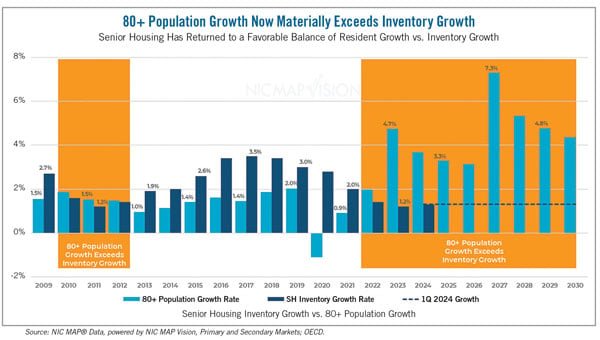
The United States is on the cusp of one of the most significant demographic shifts in its history. The Baby Boomer generation, a cohort of approximately 73 million people born between 1946 and 1964, is now entering its senior years. This phenomenon, often termed the “Silver Tsunami,” is not a distant wave on the horizon; it is already making landfall. Every single day, an estimated 10,000 Americans turn 65, a trend that will continue for years to come.
This unprecedented demographic transition is far more than a social or cultural milestone; it represents a powerful, long-term economic force reshaping the landscape of American healthcare, housing, and consumer services. For investors with strategic foresight, the Silver Tsunami presents a compelling, multi-decade opportunity. The fundamental driver is simple and inexorable: as people age, their consumption of healthcare and specialized living services increases dramatically. This creates a robust, non-cyclical demand tailwind for a vast and complex sector.
However, navigating this sector requires more than just demographic awareness. It demands a nuanced understanding of the different sub-sectors, their risk-return profiles, regulatory environments, and the evolving preferences of the aging population itself. This article will serve as a comprehensive guide, exploring the diverse investment opportunities within the U.S. healthcare and senior living sector, analyzing the key trends, and providing a framework for building a resilient and impactful portfolio geared towards the needs of an aging America.
Part 1: Understanding the Demand Drivers – More Than Just Numbers
While the raw numbers of the aging population are staggering, the investment thesis is strengthened by several qualitative factors that amplify the demand for specialized services.
1. Longevity and the “Older-Old” Cohort: Americans are not just getting older; they are living longer. A 65-year-old today can expect to live, on average, into their mid-80s. This extends the period during which they will require healthcare and supportive services. Furthermore, the fastest-growing segment of the population is those aged 85 and older—the “older-old” who typically have the highest needs for assisted living, memory care, and complex medical management.
2. The Shift in Wealth and Expectations: The Baby Boomer generation is, in aggregate, the wealthiest in American history. Unlike previous generations, they are entering retirement with higher expectations for their quality of life. They are not seeking merely custodial care; they desire active, engaging, and comfortable lifestyles. This drives demand for premium, hospitality-style senior living communities with a wealth of amenities.
3. The Rise of Chronic Disease Management: Longer lifespans come with a higher prevalence of chronic conditions such as heart disease, diabetes, arthritis, and Alzheimer’s disease. Managing these conditions requires continuous, often complex, medical care. This fuels demand for specialized pharmaceuticals, medical devices, home-based care services, and clinical care models within senior living settings.
4. The Changing Structure of the American Family: With geographically dispersed families and a higher proportion of dual-income households, the traditional model of multi-generational caregiving is under strain. This societal shift increases the reliance on paid professional services for senior care, from in-home aides to full-time residential facilities.
5. Policy and Reimbursement Landscape: Government programs, primarily Medicare and Medicaid, are the primary payers for a vast portion of senior healthcare. Understanding the direction of policy, reimbursement rates, and value-based care initiatives is crucial for assessing the viability of many investments in this space. The shift from fee-for-service to value-based care is creating opportunities for companies that can demonstrate improved patient outcomes at lower costs.
Part 2: The Investment Landscape – A Spectrum of Opportunity
The “healthcare and senior living sector” is not a monolith. It is a diverse ecosystem of interrelated sub-sectors, each with its own dynamics. We can categorize the primary investment avenues into several key areas.
2.1 Real Estate: Bricks and Mortar for an Aging Population
This is the most direct play on the senior living theme, focusing on the physical infrastructure where care and services are delivered.
- Independent Living Communities (IL): These are essentially apartment complexes or planned communities for active seniors who require little to no daily assistance. The value proposition is lifestyle-oriented—offering freedom from home maintenance, social activities, security, and convenience. Investment drivers include occupancy rates, rental premiums, and the ability to create a desirable residential brand.
- Investment Vehicles: Real Estate Investment Trusts (REITs) like Ventas, Inc. (VTR) and Welltower Inc. (WELL) have large, diversified portfolios that include significant independent living assets.
- Assisted Living Facilities (ALF): This model provides housing, personalized supportive services (e.g., help with bathing, dressing, medication management), and 24-hour supervision for seniors who need help with Activities of Daily Living (ADLs). ALFs are typically private-pay, making them sensitive to the private wealth of the resident base.
- Investment Vehicles: REITs (e.g., Sabra Health Care REIT (SBRA)), private equity, and operators like Brookdale Senior Living (BKD).
- Memory Care Facilities: A specialized subset of assisted living designed for individuals with Alzheimer’s disease, dementia, and other cognitive impairments. These facilities require enhanced security, specially trained staff, and therapeutic environments. This is a high-need, high-acuity segment with strong pricing power due to the specialized care required.
- Investment Vehicles: Often bundled within larger ALF operators or REIT portfolios, but also standalone specialized providers.
- Skilled Nursing Facilities (SNF): These provide 24/7 medical care and rehabilitation services for patients recovering from a hospital stay (post-acute care) or those with significant medical needs. SNFs are highly regulated and heavily reliant on government reimbursement (Medicare and Medicaid), making their profitability sensitive to policy changes.
- Investment Vehicles: REITs like Omega Healthcare Investors (OHI) and CareTrust REIT (CTRE).
- Continuing Care Retirement Communities (CCRCs or Life Plan Communities): These offer a full continuum of care on one campus, from independent living and assisted living to skilled nursing. Residents pay an entrance fee and ongoing monthly fees for the guarantee of lifelong care. This model appeals to those seeking a long-term solution and provides operators with a stable, captive revenue stream.
- Investment Vehicles: Often operated by non-profit organizations, but for-profit operators and REITs are also involved.
2.2 Healthcare Services and Technology: Enabling Care Delivery
This category focuses on the companies and technologies that provide the actual medical care and support the operations of senior living.
- Home-Based Care: A powerful and growing trend is the preference for “aging in place.” This fuels demand for:
- Home Health Care: Medical services provided at home, such as nursing, physical therapy, and occupational therapy, often paid for by Medicare.
- Non-Medical Home Care: Assistance with ADLs (e.g., bathing, companionship, meal preparation), which is primarily private-pay.
- Investment Opportunities: Public companies like Amedisys (AMED) and Addus HomeCare (ADUS), as well as a vibrant landscape of private companies.
- Hospice and Palliative Care: As the population ages, the demand for end-of-life care services is growing steadily. Hospice care focuses on comfort and quality of life for terminally ill patients and is a covered benefit under Medicare.
- Investment Opportunities: Companies like Chemed Corporation (CHE), which owns VITAS Healthcare, the nation’s largest hospice provider.
- Healthcare Technology (HealthTech): Technology is revolutionizing senior care, improving outcomes, and reducing costs. Key areas include:
- Telehealth: Virtual consultations are crucial for seniors with mobility issues, especially in rural areas. Companies like Teladoc Health (TDOC) are key players.
- Remote Patient Monitoring (RPM): Wearables and in-home devices that track vital signs and transmit data to clinicians, enabling proactive care and reducing hospital readmissions.
- Electronic Health Records (EHR): Systems that manage patient data across the care continuum, crucial for coordinated care. Oracle Cerner and Epic Systems are dominant.
- Senior-Living Specific Software: Platforms for managing community operations, resident engagement, and clinical workflows (e.g., PointClickCare).
2.3 Pharmaceuticals and Biotechnology (Biopharma)
This sector addresses the medical needs of the aging population through drug development and manufacturing.
- Chronic Disease Management: Companies developing and producing drugs for age-related conditions represent a core investment theme. This includes treatments for:
- Cardiovascular disease (e.g., Pfizer (PFE), Novo Nordisk (NVO) with its weight-loss drugs)
- Diabetes (e.g., Eli Lilly (LLY), Novo Nordisk (NVO))
- Oncology (e.g., Merck (MRK), Bristol-Myers Squibb (BMY))
- Neurological disorders like Alzheimer’s (e.g., Biogen (BIIB), Eli Lilly (LLY) with Leqembi)
- Generics and Biosimilars: As brand-name drugs lose patent protection, generic and biosimilar manufacturers provide lower-cost alternatives, which is a key focus for payers like Medicare. Companies like Teva Pharmaceutical (TEVA) and Viatris (VTRS) operate in this space.
2.4 Medical Devices and Equipment
This sub-sector focuses on the tools and implants used to diagnose, monitor, and treat age-related health issues.
- Orthopedics: Joint replacements (hips, knees) are common procedures for an aging population. Leaders include Stryker (SYK) and Zimmer Biomet (ZBH).
- Cardiac Devices: Pacemakers, stents, and defibrillators from companies like Medtronic (MDT) and Abbott Laboratories (ABT) are in high demand.
- Diabetes Care: Continuous glucose monitors (CGMs) and insulin pumps from Dexcom (DXCM) and Insulet (PODD) are transformative technologies.
- Mobility Aids: Companies manufacturing walkers, wheelchairs, and scooters benefit from the growing need for mobility assistance.
Part 3: Public Market Investment Vehicles
For most investors, direct ownership of a nursing home or a biotech startup is not feasible. The public markets offer accessible and liquid ways to gain exposure.
- Real Estate Investment Trusts (REITs): As mentioned throughout, REITs are a premier way to invest in senior living real estate. They own and often operate portfolios of properties. They offer high dividend yields and provide diversification across geographies and property types. Key examples include Welltower (WELL), Ventas (VTR), and Omega Healthcare (OHI).
- Publicly Traded Operators: These are companies that manage senior living communities or healthcare service providers. Their performance is tied to their ability to manage occupancy, control labor costs, and deliver quality care. Examples include Brookdale Senior Living (BKD), Addus HomeCare (ADUS), and Amedisys (AMED).
- Biopharma and MedTech Giants: Large-cap, established companies like Johnson & Johnson (JNJ), Pfizer (PFE), and Medtronic (MDT) offer a relatively stable way to invest in the healthcare needs of seniors. They have diversified product portfolios, strong R&D pipelines, and global reach.
- Exchange-Traded Funds (ETFs): For instant diversification, ETFs are an excellent choice.
- Healthcare Sector ETFs: Broad-based funds like the Health Care Select Sector SPDR Fund (XLV) provide exposure to the entire healthcare sector, including biopharma, medtech, and providers.
- Aging Population Thematic ETFs: Some ETFs are specifically designed around the demographic theme, such as the Global X Longevity Thematic ETF (LNGR), which invests in companies focused on extending human life and improving quality of life in old age.
Part 4: Private Market and Alternative Opportunities
For accredited and institutional investors, the private markets offer another layer of opportunity, often with higher risk and return potential.
- Private Equity: PE firms are highly active in this space, consolidating fragmented industries like home health, dental service organizations (DSOs) catering to seniors, and specialized senior living operators. They seek to create value through operational improvements, economies of scale, and strategic acquisitions.
- Venture Capital: VC funding is flowing into HealthTech startups focused on aging. This includes innovations in:
- Age-Tech: Smart home sensors for fall detection, social connection platforms to combat loneliness, and cognitive training apps.
- Digital Therapeutics: Software-based treatments for conditions like insomnia or cognitive decline.
- Novel Care Models: Startups reimagining how care is delivered, often leveraging technology and a concierge-style approach.
- Direct Real Estate Investment: High-net-worth individuals and family offices may invest directly in developing or acquiring senior living properties, often partnering with experienced operators.
Read more: Backtesting Your Swing Trading Strategy: How to Validate Ideas Before Risking Real Money
Part 5: Risk Analysis and Strategic Considerations
No investment is without risk. A prudent approach to the senior living sector requires a clear-eyed view of its challenges.
- Regulatory and Reimbursement Risk: This is the single biggest risk, especially for government-pay segments like SNFs. Changes in Medicare and Medicaid reimbursement rates can directly impact profitability. The shift to value-based care requires adaptation.
- Operational Execution Risk: Senior living is a people-intensive business. Labor is the largest cost center, and the sector faces a chronic shortage of nurses, aides, and other staff. High employee turnover and rising wage pressures can erode margins. The ability to attract and retain talent is a critical success factor.
- Economic Cyclicality: While healthcare demand is relatively inelastic, private-pay segments (like many IL and AL communities) are sensitive to the broader economy. In a recession, seniors may delay moving into private-pay facilities, impacting occupancy.
- Reputational and Litigation Risk: The care of vulnerable populations carries inherent liability. Quality of care is paramount; a single adverse event can lead to lawsuits, regulatory scrutiny, and reputational damage that devastates a facility or operator.
- Interest Rate Sensitivity: Real estate-heavy investments, particularly REITs, can be sensitive to rising interest rates, which increase borrowing costs and can make their dividend yields less attractive compared to risk-free bonds.
A Strategic Framework for Investment:
- Diversify Across Sub-Sectors: Mitigate specific risks by building a portfolio that includes real estate (REITs), services, and biopharma/medtech.
- Focus on Quality and Scale: In a competitive and operationally intensive sector, larger, well-capitalized players with strong brands and management teams are often better positioned to navigate headwinds.
- Prioritize Private-Pay Exposure: Where possible, lean towards business models with a higher proportion of private-pay revenue (e.g., private IL/AL, home care) to reduce reliance on government reimbursement.
- Embrace the Tech-Enabled Operator: Favor companies that are proactively integrating technology to improve care efficiency, reduce costs, and enhance the resident experience.
- Maintain a Long-Term Horizon: The Silver Tsunami is a multi-decade trend. Short-term volatility should be viewed in the context of the powerful, long-term demographic tailwind.
Conclusion: An Opportunity with Purpose
The Silver Tsunami is an undeniable demographic reality that will reshape the American economy for the next 30 years. For the discerning investor, it offers a rare combination: the potential for strong, defensive returns driven by non-discretionary demand, coupled with the opportunity to contribute to a critical social need. Investing in the companies and technologies that will support the health, dignity, and quality of life for our aging population is not just a sound financial strategy; it is an investment in the fabric of society itself.
By understanding the complex landscape, from the bricks and mortar of senior housing to the cutting-edge of biotechnology, and by carefully weighing the risks and opportunities, investors can position their portfolios to ride this powerful wave, generating value while supporting a generation that has given so much.
Read more: Level 2 Data and Time & Sales: Reading the Tape Like a Wall Street Pro
Frequently Asked Questions (FAQ)
Q1: Isn’t investing in nursing homes and senior care ethically complicated due to the potential for poor care quality?
This is a valid and important concern. The duty of care is paramount. Investors can and should adopt a responsible approach by:
- Prioritizing Quality Operators: Invest in publicly traded companies or REITs with transparent reporting on quality metrics (e.g., staffing ratios, resident satisfaction, regulatory compliance records).
- Engaging in Shareholder Advocacy: As a shareholder, you can support proposals that tie executive compensation to quality-of-care outcomes and encourage high ethical standards.
- Focusing on Tech-Enabled Care: Supporting companies that use technology to improve safety (e.g., fall detection, medication adherence) can be a way to align financial and ethical goals.
Q2: With all the talk about “aging in place,” is investing in physical senior living facilities still a good idea?
Absolutely. “Aging in place” is a major trend, but it does not eliminate the need for congregate senior living. In fact, it creates a more nuanced market. The demand for assisted living and memory care will continue to grow strongly as the “older-old” population expands and cognitive and physical needs surpass what can be managed at home. Furthermore, modern senior living communities are evolving to be more attractive, offering a compelling lifestyle choice focused on community, socialization, and freedom from home maintenance, which appeals to active seniors.
Q3: How does the current high-interest-rate environment affect senior living REITs?
Rising interest rates present a headwind for REITs in two main ways:
- Higher Borrowing Costs: REITs often use debt to acquire or develop properties. Higher rates make this financing more expensive, potentially slowing growth and impacting earnings.
- Yield Competition: REITs are known for their dividends. When risk-free rates (like those on Treasury bonds) rise, the relative attractiveness of REIT dividends can diminish, putting downward pressure on their stock prices.
However, well-managed REITs with strong balance sheets, fixed-rate debt, and the ability to grow their funds from operations (FFO) can navigate this environment more effectively. The long-term demographic demand remains intact.
Q4: What is the single biggest risk that could derail the investment thesis of the Silver Tsunami?
The demographic trend itself is virtually unshakable. The primary risk is not the disappearance of demand, but rather a severe and prolonged deterioration of the reimbursement and regulatory environment. A drastic, systemic cut to Medicare or Medicaid funding without a corresponding reduction in costs could make many business models, particularly in the Skilled Nursing Facility segment, economically unviable. Political and policy risk is therefore the most significant factor to monitor.
Q5: Beyond the companies mentioned, are there any “hidden” or indirect ways to invest in this trend?
Yes, several indirect plays exist:
- Consumer Discretionary: Companies that cater to the spending habits of active retirees, such as cruise lines (Royal Caribbean RCL), travel services, and leisure brands.
- Financials: Asset managers and life insurance companies that offer retirement products, annuities, and wealth management services to this affluent cohort.
- Industrial Real Estate: The growth in healthcare delivery drives demand for medical office buildings (MOBs) and life sciences labs, which are often owned by REITs like Healthcare Trust of America (HTA).
- Home Improvement: Retailers like Home Depot (HD) and Lowe’s (LOW) benefit from seniors (or their families) modifying homes for aging in place (e.g., grab bars, walk-in tubs, non-slip flooring).