
Global stock markets witnessed an encouraging upswing after the latest U.S. inflation figures aligned closely with economists’ forecasts. The development has bolstered investor confidence, eased recessionary fears, and reinforced expectations of stability in global monetary policies. As markets worldwide remain sensitive to inflation prints and central bank decisions, the in-line U.S. inflation data has created a positive ripple effect across equities, commodities, currencies, and bonds.
Why the U.S. Inflation Data Matters Globally
Inflation in the United States holds far-reaching implications beyond its borders. As the world’s largest economy and home to the U.S. dollar—the global reserve currency—any sign of rising or falling consumer prices shapes investor behavior and central bank decisions worldwide.
When U.S. inflation accelerates unexpectedly, it typically prompts the Federal Reserve to tighten monetary policy by raising interest rates. Higher rates strengthen the dollar, making it costlier for other economies to borrow in dollar-denominated terms. Conversely, when inflation slows or remains stable, it reduces pressure on the Fed to act aggressively, which is generally seen as favorable for global markets.
The most recent inflation report showed that both headline and core inflation figures matched market expectations. Headline inflation, which includes volatile food and energy prices, remained steady, while core inflation—which strips out these components—continued to cool modestly. For investors, this balance signaled that the Federal Reserve is unlikely to pursue an immediate rate hike, while still maintaining vigilance against inflationary risks.
Immediate Market Reaction
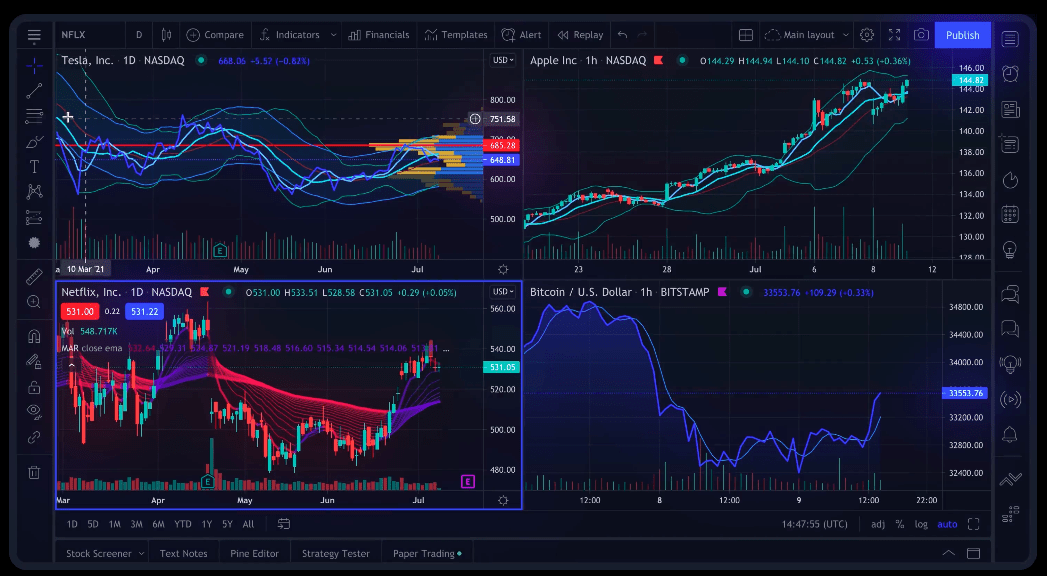
The release of the inflation numbers triggered an instant rally in global stocks. Wall Street opened higher, with the S&P 500, Dow Jones Industrial Average, and Nasdaq Composite all gaining momentum. European indices such as the FTSE 100, DAX, and CAC 40 followed suit, posting moderate to strong gains. In Asia, markets like the Nikkei 225, Hang Seng, and Shanghai Composite also experienced positive sentiment, reflecting confidence that global monetary tightening cycles may be nearing their peak.
Investors rushed to risk assets, particularly technology, consumer discretionary, and financial stocks. Tech giants benefited from the expectation that stable interest rates would support borrowing costs, while financial firms anticipated stronger lending activity amid steady economic conditions.
U.S. Federal Reserve’s Policy Outlook
The Federal Reserve’s response remains central to market performance. With inflation data hitting forecast, analysts believe the Fed will likely adopt a “wait-and-see” stance rather than aggressively changing interest rates in the near term. The central bank has already signaled that it is closer to the end of its tightening cycle, and investors are now speculating whether rate cuts could emerge in the medium term if inflation continues to cool.
This outlook has eased fears of a prolonged recession. The U.S. economy has shown resilience, supported by strong labor markets, consumer spending, and robust corporate earnings. If inflation remains under control, the Fed may successfully achieve the elusive “soft landing,” where inflation is tamed without triggering a deep economic downturn.
Impact on European and Asian Markets
European equities rallied on the back of the U.S. news, as investors saw signs that global economic stability is within reach. The euro gained marginally against the dollar, signaling renewed confidence in the European Central Bank’s ability to manage inflation without resorting to excessive tightening. Export-heavy economies like Germany benefited from optimism around sustained U.S. demand for goods.
In Asia, sentiment was particularly upbeat. The Nikkei 225 extended gains as the yen stabilized, offering relief to exporters. Meanwhile, Chinese markets welcomed the news, as stable U.S. demand bodes well for trade. Hong Kong’s Hang Seng index also gained, aided by a rebound in tech shares, which had been under pressure due to rising U.S. borrowing costs.
Bond Markets and Currencies React
The bond market showed measured optimism. Yields on U.S. Treasury notes fell slightly, reflecting a decline in fears of aggressive monetary tightening. Lower yields make equities more attractive by reducing the opportunity cost of holding riskier assets.
In currency markets, the U.S. dollar held steady but softened against major peers like the euro and yen, as investors recalibrated expectations for future Fed moves. Emerging market currencies also benefited, as stable U.S. inflation reduces the likelihood of dollar strength that typically pressures their economies.

Commodities and Oil Prices
Commodities reacted positively as well. Gold prices inched higher, benefiting from both a weaker dollar and renewed risk appetite. Crude oil prices also firmed, reflecting optimism that global demand would remain steady. For energy-exporting nations, this was a welcome development after months of volatility driven by both geopolitical tensions and uncertain central bank policies.
Investor Sentiment and Confidence
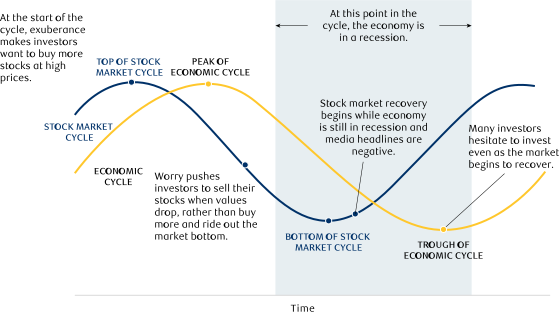
Investor psychology plays a critical role in market performance, and the inflation report has boosted confidence significantly. For months, markets were rattled by the fear that inflation might spiral out of control, forcing central banks to tighten policy aggressively and triggering a potential recession. The latest data, by aligning with forecasts, has given markets a sense of predictability and stability.
Market strategists note that when economic data aligns with expectations, it reduces uncertainty, which is often more damaging to markets than negative news itself. The alignment provides clarity, allowing investors to plan and allocate capital with greater confidence.
Sectoral Winners and Losers
Not all sectors benefited equally. Technology stocks led the charge, as the promise of stable interest rates supports innovation-driven businesses that rely on external financing. Consumer discretionary stocks also climbed, with investors betting on sustained consumer spending in the U.S. and abroad.
Financials saw moderate gains, as stable inflation points to continued loan demand and reduced credit risks. Energy stocks rose in tandem with oil prices, while defensive sectors like utilities and healthcare saw muted performance as investors shifted toward growth-driven areas of the market.
The Broader Global Economic Context
The global economy is still navigating a complex landscape. While U.S. inflation data offers relief, challenges remain, including geopolitical tensions, supply chain disruptions, and uneven growth in emerging markets. Europe continues to grapple with energy concerns, while China faces a delicate balance between stimulating growth and managing debt risks.
Nevertheless, the synchronized rally across markets reflects the interconnectedness of the global financial system. When the U.S. shows signs of stability, the ripple effects are felt worldwide, reinforcing the country’s position as a key driver of global economic sentiment.
Risks Ahead
Despite the optimism, several risks linger. Inflation could re-accelerate if energy prices surge, supply chain issues resurface, or wage growth outpaces productivity. Any surprise in future inflation reports could reignite fears of aggressive monetary tightening. Additionally, geopolitical tensions—from conflicts in Eastern Europe to trade disputes in Asia—pose risks to global stability.
Moreover, the path toward a soft landing is narrow. If inflation remains sticky, the Fed may be forced to keep rates elevated longer than anticipated, potentially stalling growth. Conversely, if inflation drops too quickly, it may signal weakening demand, raising recession fears again.
Outlook for Investors
For investors, the current environment emphasizes the importance of diversification and strategic positioning. Equities are likely to remain attractive as long as inflation trends stay predictable and central banks signal stability. Bonds, while less lucrative in a low-yield environment, still provide safety against potential market shocks. Commodities may serve as a hedge against inflationary surprises, while currencies will continue to reflect global shifts in monetary policy.
Institutional investors are expected to increase allocations toward growth sectors such as technology and consumer discretionary, while maintaining exposure to defensive plays for balance. Retail investors, meanwhile, are advised to avoid overreaction and focus on long-term fundamentals rather than short-term market swings.
Conclusion
The rise in global stocks following U.S. inflation data hitting forecast underscores how deeply interconnected the financial world has become. The report brought relief to investors who had braced for potential surprises, signaling that inflation may be moderating in line with expectations. While challenges remain, the rally highlights growing confidence that the worst of the inflation-driven volatility could be behind us.