Introduction
In 2025, navigating the financial landscape requires more than just traditional saving methods. With inflationary pressures, fluctuating interest rates, and evolving investment opportunities, Americans must adopt smart money management strategies to secure their financial futures. This comprehensive guide delves into effective budgeting, saving, and investing techniques tailored for the current economic environment.
Understanding the Current Financial Landscape
Inflation and Interest Rates
As of mid-2025, inflation remains above the Federal Reserve’s 2% target, prompting the Fed to adjust interest rates accordingly. These economic factors influence purchasing power, investment returns, and overall financial planning.
Retirement Savings Challenges
Recent surveys indicate that a significant portion of American workers feel behind on their retirement savings. For instance, a 2025 Bankrate survey found that 58% of workers believe they’re not saving enough for retirement.
Effective Budgeting Strategies
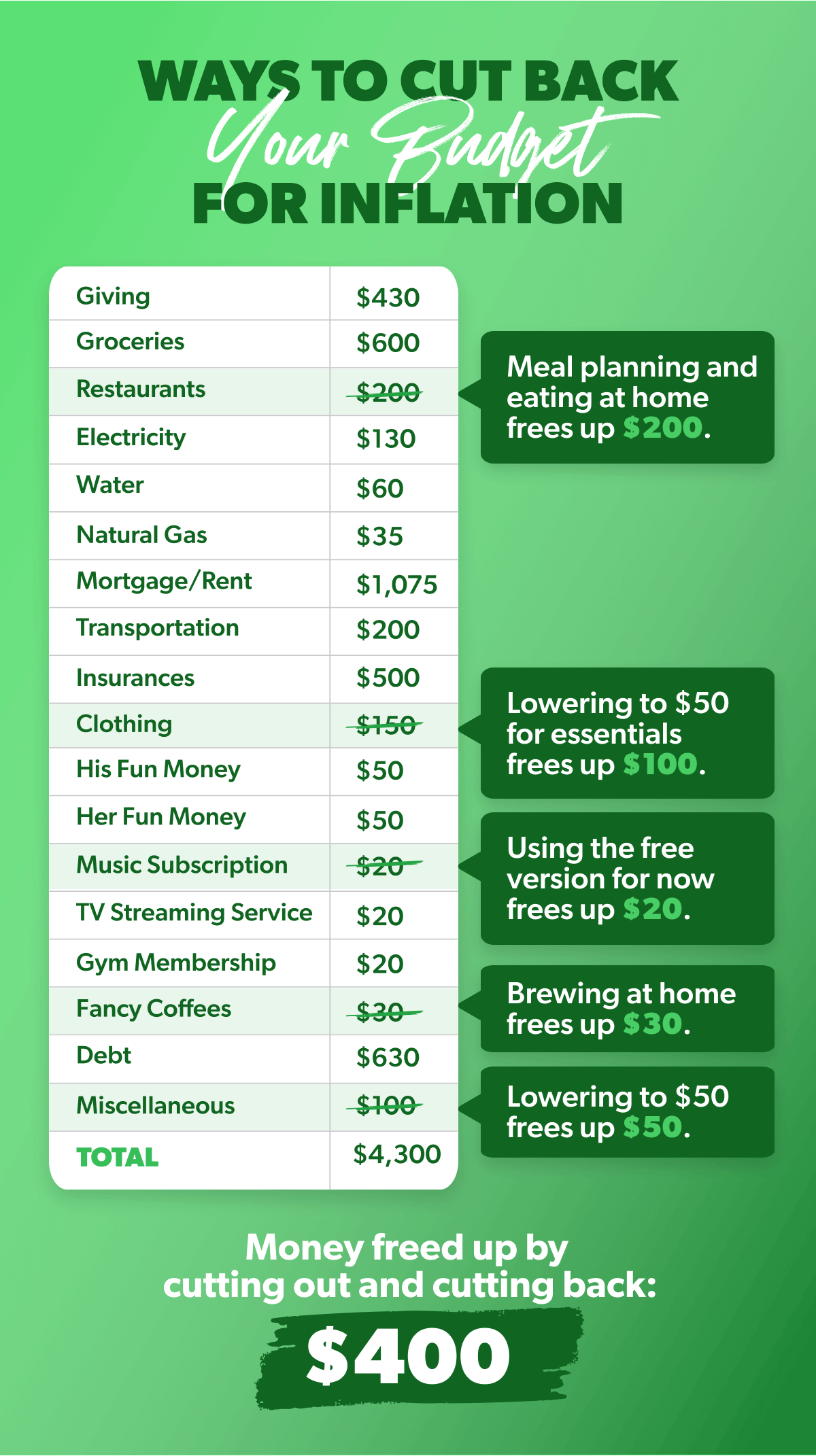
The 50/30/20 Rule
This budgeting method divides income into:
- 50% for necessities
- 30% for wants
- 20% for savings and debt repayment
Implementing this rule helps in maintaining a balanced financial life. (sheltonfunds.com)
Automated Savings
Setting up automatic transfers to savings accounts ensures consistent saving habits, reducing the temptation to spend.
Building an Emergency Fund
Financial experts recommend having 3–6 months’ worth of living expenses set aside for emergencies. This fund acts as a financial cushion during unforeseen circumstances. (thepeoples.com)

Smart Saving Techniques
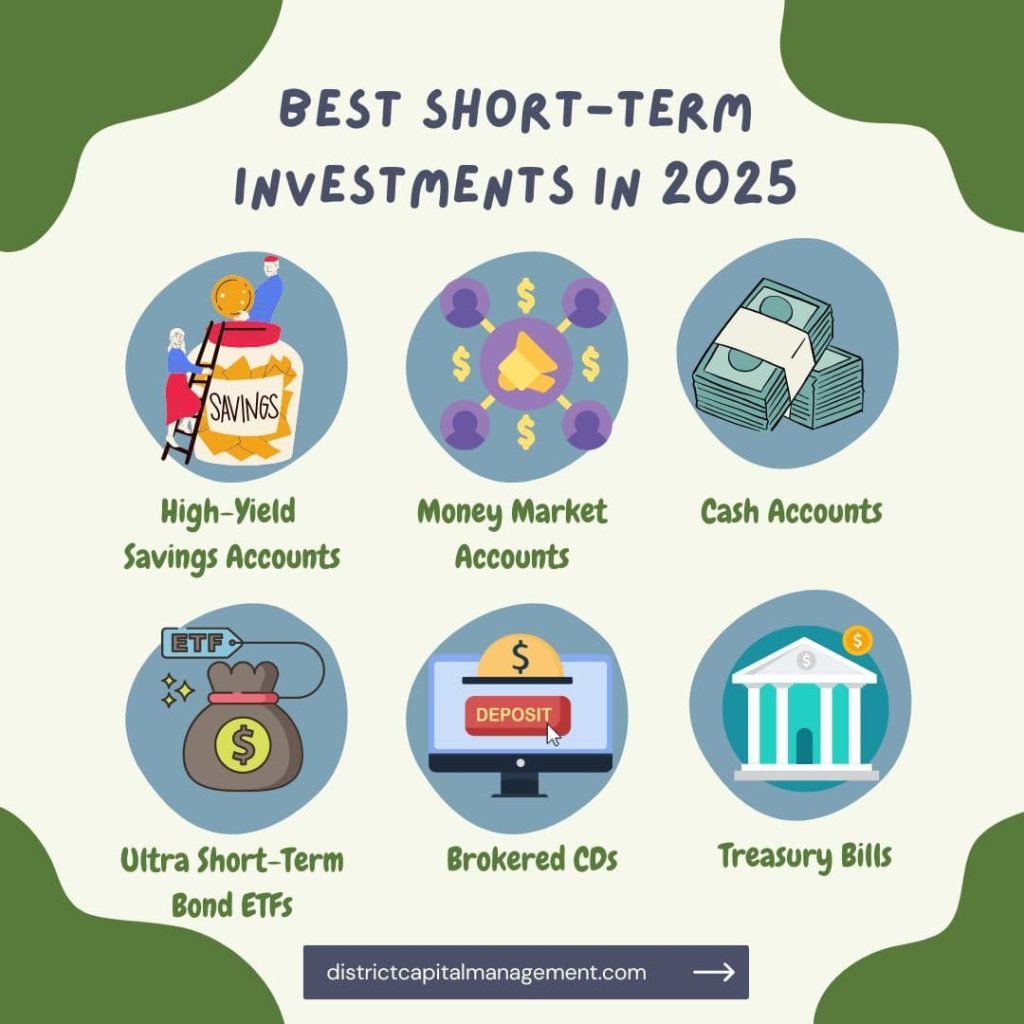
High-Yield Savings Accounts
Opting for high-yield savings accounts can offer better interest rates, accelerating the growth of your savings.
Certificates of Deposit (CDs)
For those with a longer-term horizon, CDs provide fixed interest rates and are a low-risk saving option.
Investment Strategies for 2025
Diversification
Spreading investments across various asset classes—stocks, bonds, real estate—can mitigate risks and enhance returns.
Tax-Advantaged Accounts
Utilizing accounts like 401(k)s and IRAs offers tax benefits, aiding in wealth accumulation.
Robo-Advisors
For beginners, robo-advisors provide automated, algorithm-driven financial planning services with minimal human supervision.
Debt Management
Prioritizing High-Interest Debt
Focusing on paying off high-interest debts, such as credit cards, can save money in the long run.
Debt Consolidation
Combining multiple debts into a single loan with a lower interest rate simplifies payments and reduces overall interest.
Retirement Planning
Increasing Contributions
Experts suggest aiming to contribute at least 15% of your income to retirement accounts. (thepeoples.com)
Employer Matching
Taking full advantage of employer-matched contributions is essentially free money and should not be overlooked.
Financial Literacy
Educating oneself about financial concepts, such as budgeting, investing, and debt management, empowers individuals to make informed decisions.
Frequently Asked Questions (FAQs)
Q1: How can I start budgeting effectively?
Effective budgeting begins with tracking all sources of income and identifying all recurring and discretionary expenses. Tools like budgeting apps or spreadsheets can help visualize spending. Using the 50/30/20 rule—50% for needs, 30% for wants, and 20% for savings/debt repayment—provides a structured approach that helps maintain financial discipline while planning for both short- and long-term goals.
Q2: What is the best way to build an emergency fund?
Start by setting a small, achievable goal, such as saving $500–$1,000 for initial emergencies. Gradually increase this to cover three to six months of essential living expenses. Automating deposits to a dedicated account ensures consistency, while prioritizing liquid assets allows for immediate access in case of unexpected expenses like medical bills, car repairs, or sudden income disruptions.
Q3: How can I reduce my debt efficiently?
To reduce debt efficiently, focus first on high-interest obligations like credit cards, then work toward consolidating smaller loans into lower-interest options. Creating a clear repayment schedule, avoiding new debt, and leveraging strategies such as the debt snowball or avalanche method can accelerate progress, save interest payments, and provide motivation as balances decrease over time.
Q4: What are the benefits of tax-advantaged retirement accounts?
Tax-advantaged accounts, such as 401(k)s and IRAs, provide incentives like tax-deferred growth or tax-free withdrawals depending on account type. Contributing to these accounts reduces taxable income while allowing investments to compound over time. Additionally, employer-matched contributions in 401(k)s effectively increase your savings without extra personal cost, making these accounts a cornerstone of long-term retirement planning.
Q5: How can I improve my credit score?
Improving credit scores requires a combination of consistent payment history, responsible credit usage, and careful account management. Pay bills on time, reduce outstanding debt, and avoid opening unnecessary credit accounts. Regularly monitoring your credit report for errors and maintaining a healthy mix of credit types can help boost your score over time, leading to better loan terms and lower borrowing costs.
Q6: What is the importance of diversification in investing?
Diversification spreads your investments across multiple asset classes, sectors, and geographies to reduce risk. It ensures that poor performance in one area doesn’t heavily impact your overall portfolio. By balancing stocks, bonds, real estate, and other instruments, investors can achieve more stable returns over time, while managing volatility and protecting against market-specific downturns.
Q7: How do I choose between a traditional and Roth IRA?
A traditional IRA allows tax-deductible contributions now, with taxes paid upon withdrawal during retirement, while a Roth IRA involves contributions with after-tax dollars, but withdrawals are tax-free. Your choice should depend on your current income, expected tax bracket in retirement, and long-term financial strategy. Many investors use a combination to optimize tax efficiency across their retirement savings.
Q8: What are robo-advisors, and should I use one?
Robo-advisors are automated investment platforms that use algorithms to build and manage portfolios based on your risk tolerance and goals. They are low-cost, convenient, and ideal for beginners or those preferring a hands-off approach. While they don’t replace personalized financial advice, they provide a reliable, efficient, and accessible way to invest in diversified portfolios without constant manual oversight.
Q9: How can I ensure I’m saving enough for retirement?
Regularly reviewing retirement goals, contribution levels, and investment performance is critical. Increase contributions as income grows and maximize employer match programs. Periodically rebalance your portfolio to maintain your desired risk level. Using retirement calculators and considering factors like inflation, healthcare costs, and lifestyle expectations can help ensure your savings are adequate for a comfortable retirement.
Q10: Where can I learn more about personal finance?
There are numerous resources to improve financial literacy, including reputable blogs, podcasts, online courses, and books. Government websites like the SEC’s investor.gov and nonprofit organizations like the National Endowment for Financial Education provide credible, actionable advice. Learning from experts and continually updating knowledge helps you make informed decisions about budgeting, investing, saving, and debt management.
Conclusion
In 2025, adopting smart money management practices is crucial for financial well-being. By implementing effective budgeting, saving, and investing strategies, Americans can navigate the complexities of the current economic landscape and work towards achieving their financial goals.