In the ever-shifting economic landscape of the modern United States, financial security can feel like a fragile concept. From surprise medical bills and sudden car repairs to the profound shock of a job loss, life is inherently unpredictable. While we cannot foresee every bump in the road, we can build a shock absorber for our finances. That shock absorber is the emergency fund.
You’ve likely heard the standard advice: “save three to six months of expenses.” But in an era of persistent inflation, volatile job markets, and rising costs of living, does this decades-old rule of thumb still hold water? How do you account for a gig economy income, a single-income household, or a specialized career that might require a longer job search?
This article moves beyond generic platitudes. We will dissect the true purpose of an emergency fund, provide a nuanced framework for calculating your personal “right number,” and offer a practical, step-by-step guide to building that fund—even on a tight budget. Our goal is to equip you with the knowledge and confidence to create a financial buffer that doesn’t just exist on paper, but truly protects you and your family from life’s inevitable surprises.
Part 1: Understanding the “Why” – More Than Just a Savings Account
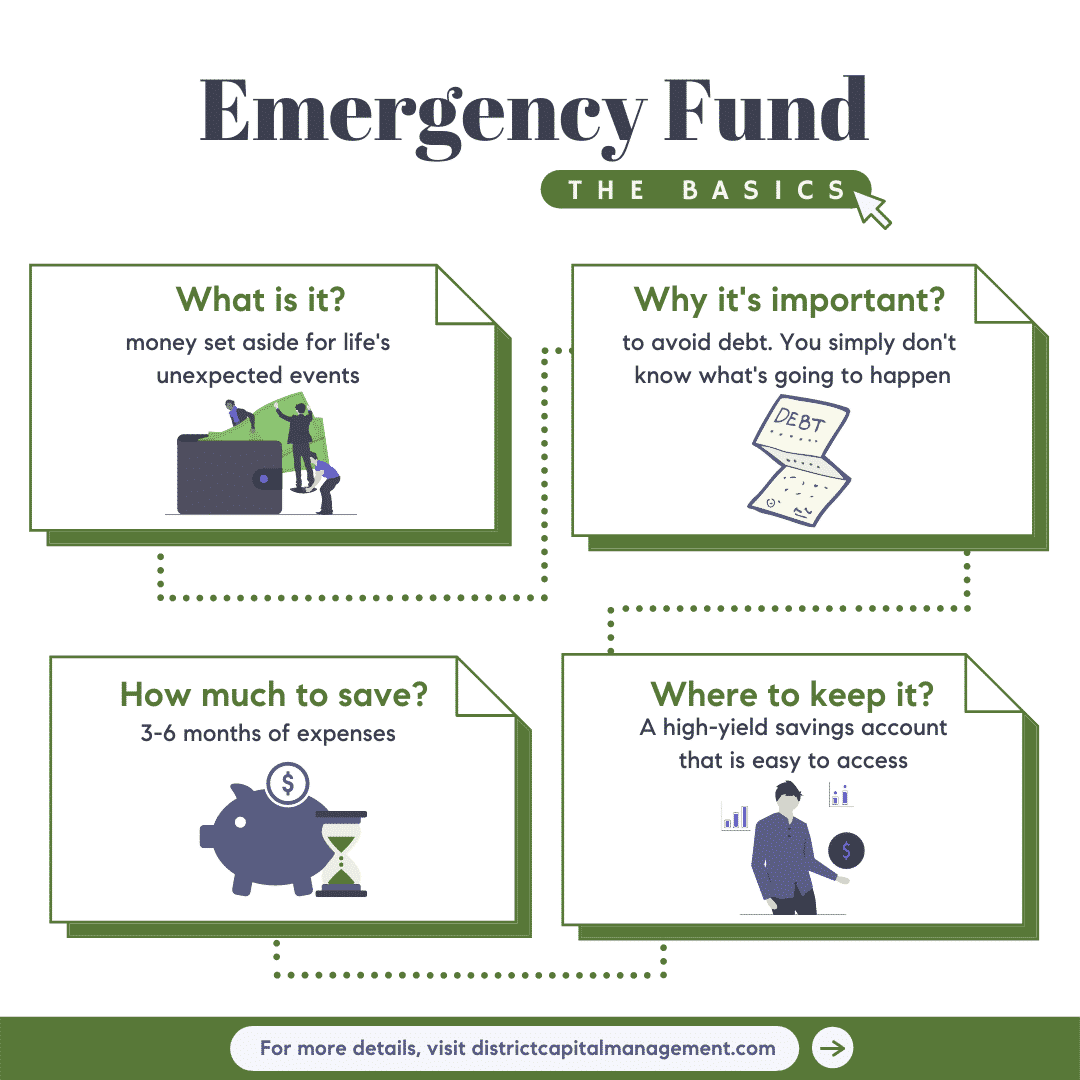
Before we crunch numbers, it’s crucial to internalize the fundamental purpose of an emergency fund. It is not a vacation fund, a holiday shopping fund, or a down-payment fund. Its role is singular and critical: to provide immediate, liquid financial stability in the face of an unexpected, necessary expense without forcing you into debt.
The True Cost of Being Unprepared
Without an emergency fund, a $1,200 car repair or a $2,000 medical bill isn’t just an inconvenience; it’s a financial crisis. The typical options in this scenario are all damaging:
- High-Interest Debt: Putting the expense on a credit card can turn that $1,200 into $1,800 or more over time, thanks to compounding interest rates often exceeding 20%.
- Payday Loans: These predatory loans trap borrowers in cycles of debt with astronomical effective annual percentage rates (APRs), sometimes exceeding 400%.
- Dipping into Retirement Savings: Withdrawing from a 401(k) or IRA before age 59½ typically incurs a 10% early withdrawal penalty, plus income taxes, severely eroding your long-term compound growth.
- Missing Bill Payments: This can lead to late fees, utility shut-offs, and lasting damage to your credit score, making future loans (for a car or home) more expensive.
An emergency fund is your first line of defense, allowing you to handle a crisis with cash, preserving your credit, your retirement savings, and, most importantly, your peace of mind.
What Qualifies as a “True” Emergency?
Discipline is key. To maintain the integrity of your fund, establish clear boundaries. A true emergency is typically:
- Job Loss or Significant Reduction in Income: Your primary safety net while you search for new employment.
- Major Medical or Dental Emergency: An unexpected health issue not fully covered by insurance.
- Urgent Home Repair: A broken furnace in winter, a major plumbing leak, or a damaged roof.
- Critical Car Repair: Necessary fixes to your primary vehicle to get to work.
- Unexpected Travel: A family emergency requiring immediate travel.
What it is not:
- A planned vacation.
- Holiday gifts.
- Black Friday deals.
- A down payment on a new car or house (these require separate savings goals).
- Routine car maintenance or annual insurance premiums (these should be budgeted for separately).
Part 2: Calculating Your Number – A Modern, Personalized Approach
The “three to six months” guideline is a starting point, not a destination. Your ideal emergency fund size is a deeply personal calculation based on your specific financial obligations, career stability, and risk tolerance.
Step 1: Calculate Your Essential Monthly Expenses
This is the foundation of your calculation. “Essential” means the bare minimum required to keep you and your family safe and functional. Create a list and tally the monthly cost for:
- Housing: Rent or mortgage payment.
- Utilities: Electricity, gas, water, sewer, trash.
- Food: Groceries only (exclude dining out).
- Transportation: Car payment, fuel, public transit passes, and a bare minimum for car insurance.
- Insurance: Health insurance premiums (especially if you’d need to pay via COBRA), and renters/homeowners insurance.
- Minimum Debt Payments: The minimum required payment on student loans, credit cards, and other personal loans.
- Critical Essentials: Child support, alimony, essential medications.
Do not include: discretionary spending like entertainment, subscription services, dining out, clothing, or savings/investment contributions.
Let’s assume your total essential monthly expenses come out to $4,000.
Read more: Tax Efficiency Hacks for the American Worker: Keeping More of Your Hard-Earned Money
Step 2: Choose Your Target “Months of Expenses” Based on Your Risk Profile
Now, apply your personal circumstances to determine how many months’ worth of those $4,000 you need to save.
The Starter Fund: 1 Month of Expenses ($4,000)
- Who it’s for: Anyone with no savings at all. This is your initial, non-negotiable target. It provides a crucial buffer for small emergencies and is a massive psychological win.
The Baseline Fund: 3-6 Months of Expenses ($12,000 – $24,000)
This is the standard range, but your position within it depends on your situation.
- 3 Months of Expenses ($12,000): Suitable for individuals with:
- A stable, tenured job in a growing industry.
- A dual-income household where both jobs are secure.
- No dependents.
- Good health and comprehensive insurance.
- Access to other low-interest liquidity (e.g., a HELOC they are comfortable using).
- 6 Months of Expenses ($24,000): The recommended target for most people, especially those with:
- A single-income household.
- Variable income (e.g., commission-based, freelancers, gig workers).
- Dependents (children, a non-working spouse/partner).
- A specialized career where finding a new job could take 6+ months.
- A higher-risk health situation.
- A mortgage, as homeownership comes with unpredictable repair costs.
The Robust Fund: 9-12+ Months of Expenses ($36,000 – $48,000+)
- Who it’s for: This is a conservative but prudent target for:
- Sole Proprietors or Business Owners: Whose personal income is directly tied to business volatility.
- Individuals in Highly Specialized or Cyclical Industries: Where job searches are inherently long.
- The Primary Breadwinner for a Large Family.
- Those Nearing Retirement: A large cash cushion can prevent the need to sell investments during a market downturn when you are no longer earning a salary.
- Anyone with Above-Average Risk Aversion who values maximum security.
The Impact of Inflation and the Current Economic Climate
As of 2024, the U.S. has experienced a period of significant inflation. This directly impacts your emergency fund calculation in two ways:
- It Increases Your Essential Expenses: The $4,000 in our example might have been $3,600 two years ago. When you recalculate your essential monthly expenses, you must use today’s prices for groceries, utilities, and fuel. An outdated budget leads to an underfunded emergency fund.
- It Erodes Cash’s Purchasing Power: While your cash sits in a savings account, inflation slowly reduces what it can buy. This is not a reason to avoid saving, but it is a reason to ensure your emergency fund is stored in an account that earns a competitive interest rate (more on this later) to mitigate the erosion.
Part 3: The Mechanics – Where to Stash Your Cash and How to Build It
The Golden Rules for Your Emergency Fund
- Liquidity is King: The money must be accessible within a few days, without penalties or complex withdrawal processes.
- Safety is Paramount: This is not money for the stock market. The principal must be protected from loss.
- Segregation is Crucial: Keep your emergency fund in a separate account from your everyday checking account to avoid the temptation to dip into it.
Where to Keep Your Emergency Fund: The Best Accounts
- The Gold Standard: High-Yield Savings Account (HYSA)
- Why it’s ideal: HYSAs, offered by online banks, consistently offer interest rates that are significantly higher than those at traditional brick-and-mortar banks. As of 2024, top HYSAs offer Annual Percentage Yields (APYs) between 4.00% and 5.50%. This allows your money to fight inflation while remaining completely liquid and FDIC-insured up to $250,000.
- Pro Tip: Choose an online bank you don’t use for daily banking. The minor friction of a 2-3 day transfer can provide a helpful mental barrier against impulsive, non-emergency use.
- A Good Alternative: Money Market Account (MMA)
- How it works: MMAs often offer similar or slightly lower rates than HYSAs. They sometimes come with check-writing privileges and a debit card, which can be a pro for immediate access but a con for temptation.
- Key Distinction: Ensure it’s an FDIC-insured Money Market Account, not a Money Market Fund (which is a type of investment and not FDIC-insured).
- For a Portion of a Large Fund: No-Penalty Certificates of Deposit (CDs)
- When it makes sense: If you have a robust fund (e.g., 9+ months of expenses), you could consider placing a 3- or 6-month portion of it in a no-penalty CD. These often offer a locked, competitive rate, and you can withdraw the entire balance before the term ends without paying a fee. This can be a way to squeeze out a slightly higher yield while maintaining access.
Places to Avoid:
- Your Mattress: Erodes value via inflation and is insecure.
- Traditional Checking Accounts: Earns negligible interest.
- The Stock Market / Crypto: The value can plummet exactly when you need the money most.
- Standard CDs with Early Withdrawal Penalties: Defeats the purpose of liquidity.
The Step-by-Step Guide to Building Your Fund (Even on a Tight Budget)
Building a five-figure savings account can feel daunting. The key is to break it down into manageable, systematic steps.
- Set Your Final Target: Use the methodology in Part 2 to determine your total goal (e.g., $24,000 for a 6-month fund).
- Start with a Mini-Goal: Aim for $1,000 or one month of essential expenses. This creates momentum.
- Automate Your Savings: This is the most powerful step. Set up an automatic transfer from your checking account to your dedicated HYSA for a specific amount every pay period (e.g., $100, $200, $500). Treat it like a non-negotiable bill.
- Deploy “Found Money”:
- Tax Refunds: Directly deposit your entire refund into your emergency fund.
- Bonuses or Commissions: Commit 50-75% of any windfall to your fund.
- Side Hustle Income: Dedicate the earnings from a temporary gig entirely to this goal.
- “No-Spend” Challenge Savings: Actively save the money you don’t spend during a no-spend month.
- Conduct a Budget Audit: Scrutinize your last three months of bank statements. Can you reduce spending on subscriptions, dining, or entertainment? Redirect those savings.
- Increase Contributions Over Time: Whenever you get a raise, increase your automated transfer by at least half of the raise amount. You were living without it before, so you won’t miss it.
Read more: The American Debt Avalanche vs. Snowball: Which Strategy is Right for You?
Part 4: Maintaining and Using Your Emergency Fund
When and How to Use It
When a potential emergency arises, pause. Ask yourself the three qualifying questions:
- Is it unexpected?
- Is it necessary?
- Is it urgent?
If the answer is “yes” to all three, then give yourself permission to use the fund. Access the money, pay the bill, and heave a sigh of relief that you were prepared. There should be no guilt in using the fund for its intended purpose.
The Replenishment Phase
Using your emergency fund is like deploying a life raft; the next critical step is to repair and repack it. Once the crisis has passed, your top financial priority (after covering minimum payments on debts) should be to rebuild the fund to its original level. Go back to the aggressive saving tactics you used to build it initially until it is fully restored.
Periodic Reviews
Life changes, and so should your emergency fund. Once a year, reassess:
- Have my essential monthly expenses increased?
- Has my job situation or industry stability changed?
- Has my family situation evolved (new child, dependent parent)?
- Has my health insurance coverage changed?
Adjust your total target accordingly.
Conclusion: Your Financial Peace of Mind is Priceless
An emergency fund is the cornerstone of a resilient financial life. It is not merely a number in a savings account; it is freedom from anxiety, protection from predatory debt, and the power to handle life’s storms on your own terms. In today’s uncertain economic environment, its value cannot be overstated.
The journey to a fully-funded emergency account is a marathon, not a sprint. Start today, no matter how small the amount. Automate your savings, celebrate milestones, and stay the course. The ultimate goal is not just to hit a number, but to achieve the profound and priceless peace of mind that comes with knowing you are prepared for whatever comes next.
Frequently Asked Questions (FAQ)
Q1: I have a lot of high-interest credit card debt. Should I save for an emergency fund or pay down debt first?
This is a classic dilemma. The recommended approach is a hybrid strategy:
- Start with a mini-emergency fund of $500-$1,000. This tiny buffer prevents you from going deeper into debt for a small emergency.
- Aggressively pay down all high-interest debt (anything above 7-10% APR). Every dollar paid toward this debt gives you a guaranteed, high return by saving on interest.
- Once the high-interest debt is gone, pivot back to fully funding your 3-6 month emergency fund.
Q2: Is it okay to invest my emergency fund to get a higher return?
No. The primary goals of an emergency fund are safety and liquidity. The stock market and other investments are volatile and can drop 30-50% in a short period, which could coincide with a job loss in a recession. The potential for higher returns is not worth the risk of your safety net evaporating when you need it most.
Q3: What if I have a large, stable portfolio? Do I still need a separate cash emergency fund?
While you could theoretically sell investments in an emergency, this strategy has risks. Selling during a market downturn locks in losses. It also takes time for the trade to settle and the cash to transfer. A separate cash fund is still considered a best practice for immediate, penalty-free access, allowing your investments to remain untouched for their long-term growth.
Q4: How does my emergency fund relate to my other insurance policies (health, disability, etc.)?
Your emergency fund and insurance work together as layers of protection. Insurance is for catastrophic, high-cost events (major surgery, a house fire). Your emergency fund covers the “gaps” that insurance doesn’t: deductibles, co-pays, out-of-network costs, and non-insured emergencies (like a job loss or a car repair). It’s your first-layer out-of-pocket expense coverage.
Q5: I’m retired. Do I still need an emergency fund?
Absolutely, and it may be even more critical. A robust cash cushion (often 12+ months of expenses) in retirement allows you to cover unexpected costs without being forced to sell investments during a bear market. This sequence-of-returns risk can permanently damage the longevity of your retirement portfolio.
Q6: Where is the literal, physical best place to keep the money?
In a federally insured financial institution. For 99.9% of people, this means a High-Yield Savings Account at an FDIC-insured bank (or an NCUA-insured credit union). This guarantees the safety of your principal up to $250,000. Keeping large amounts of cash at home is risky due to theft, loss, or natural disaster.