For over a decade, the relationship between US tech titans and international regulators has been characterized by a delicate dance of innovation, market dominance, and growing public apprehension. Silicon Valley’s “move fast and break things” ethos, which propelled companies like Google, Meta, Apple, Amazon, and Microsoft to unprecedented global influence, is now colliding with a new era of deliberate and comprehensive governance. At the epicenter of this tectonic shift is the European Union, which has positioned itself as the world’s de facto digital regulator.
With the landmark General Data Protection Regulation (GDPR) as its opening salvo, the EU has now deployed two even more powerful legislative frameworks: the Digital Markets Act (DMA) and the Artificial Intelligence Act (AI Act). These are not mere guidelines; they are binding, enforceable rules designed to reshape the very architecture of the digital economy. For US tech giants, navigating this new landscape is no longer a matter of optional compliance but a fundamental strategic imperative that will dictate their global operations, competitive edge, and future growth.
This article delves into the intricacies of the DMA and the AI Act, analyzing their direct impact on American technology companies, the strategic responses they are likely to employ, and the broader implications for global tech governance.
Part 1: The Digital Markets Act (DMA) – Reigning in the “Gatekeepers”
The Digital Markets Act, which became fully applicable in March 2024, represents a paradigm shift in competition policy. Unlike traditional antitrust enforcement, which is often slow, reactive, and case-specific, the DMA is proactive and systemic. It aims to ensure “contestable and fair markets” by directly targeting the biggest online platforms, which it designates as “gatekeepers.”
Who is a “Gatekeeper”?
The DMA defines a gatekeeper as a company that:
- Has a significant impact on the internal market.
- Operates a core platform service which is an important gateway for business users to reach end users.
- Enjoys an entrenched and durable position in its operations or it is foreseeable that it will enjoy such a position in the near future.
Specific quantitative thresholds include an annual EEA turnover of €7.5 billion or a market capitalization of €75 billion in the last three financial years, and at least 45 million monthly active end-users and 10,000 yearly active business users in the EU.
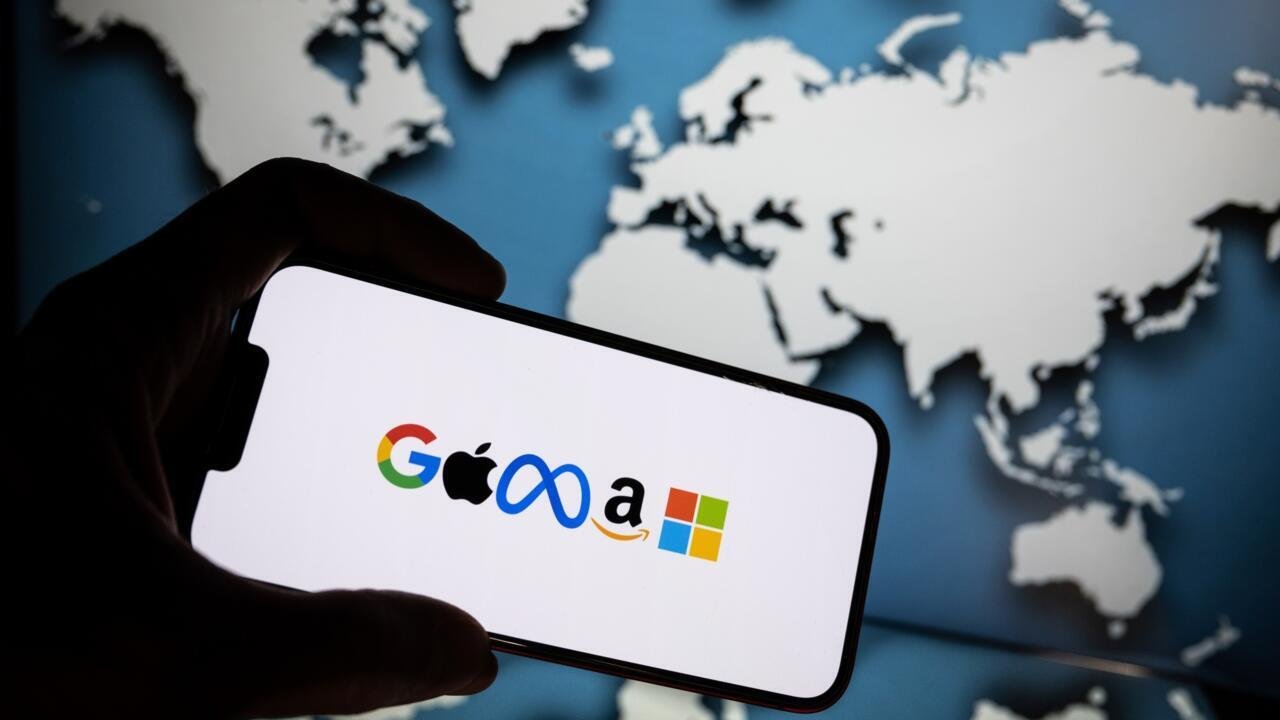
Unsurprisingly, the first designated gatekeepers are Alphabet (Google), Amazon, Apple, Meta (Facebook), and Microsoft, with specific core platform services like online search engines, app stores, social networks, and messaging services falling under the Act’s scope.
The Core “Do’s and Don’ts” for Gatekeepers
The DMA imposes a clear list of obligations (the “Dos”) and prohibitions (the “Don’ts”) that strike at the heart of the gatekeepers’ business models.
Key Prohibitions (“The Don’ts”):
- Anti-Self-Preferencing: Gatekeepers cannot rank their own services and products more favorably than similar third-party offerings in their search results or other ranking systems. This directly challenges Amazon’s practice of promoting its own “Amazon Basics” products over competitors or Google favoring its own shopping and travel services in search results.
- Anti-Steering: Gatekeepers are prohibited from preventing business users from informing customers about cheaper offers outside the gatekeeper’s platform or from concluding contracts with those customers. This is a direct response to Apple and Google’s rules that have historically barred app developers from directing users to alternative, often cheaper, payment methods on their own websites.
- Combining Personal Data Without Consent: Gatekeepers cannot combine personal data from their core platform service with data from other services (e.g., combining Facebook data with WhatsApp data) or use data from business users to compete against them, without explicit user consent.
- Lock-In Tactics: They cannot technically restrict users from easily uninstalling pre-loaded software or switching between default applications (e.g., web browsers, search engines) on their operating systems.
Key Obligations (“The Dos”):
- Interoperability: Gatekeepers must allow third-party messaging services to interoperate with their own. In theory, a user on a smaller messaging app like Signal or Telegram could send and receive messages with someone on WhatsApp or Facebook Messenger.
- Third-Party App Stores and Sideloading: Gatekeepers must allow users to install app stores from third parties and install apps from outside the official app store (“sideloading”), breaking the duopoly of Apple’s App Store and Google’s Play Store on mobile software distribution.
- Access to Data for Advertisers and Publishers: Business users who advertise on a gatekeeper’s platform must be provided with tools and information to independently verify their advertisements. Publishers must also be given access to the performance data of their content.
Impact on US Tech Titans
The DMA forces a fundamental restructuring of some of the most profitable practices of US tech companies.
- Apple: The requirement for third-party app stores and sideloading threatens the lucrative “Apple Tax”—the 15-30% commission it takes on all App Store sales and in-app purchases. While Apple has introduced new fee structures in the EU to comply, critics argue these are designed to make third-party alternatives economically unviable, demonstrating the complex cat-and-mouse game of enforcement.
- Google and Meta: The restrictions on data combination hamper their ability to build hyper-targeted advertising profiles, the core of their revenue models. They must now obtain granular consent, which could lead to lower opt-in rates and reduced ad effectiveness.
- Amazon: The ban on self-preferencing forces a redesign of its marketplace, potentially diminishing the visibility and sales of its private-label products.
- Microsoft: While less impacted than others, its Windows operating system is subject to rules about default applications and uninstallability.
The strategic response from these companies has been multifaceted: public compliance, legal challenges, and strategic adjustments to their business models to mitigate financial impact, all while the European Commission closely monitors for potential “malicious compliance.”
Part 2: The Artificial Intelligence Act (AI Act) – The World’s First Comprehensive AI Law
While the DMA addresses market power, the AI Act addresses technological risk. As the first comprehensive legal framework for AI globally, it establishes a risk-based regulatory pyramid, imposing the strictest rules on the riskiest applications.
The Risk-Based Pyramid
The AI Act categorizes AI systems into four levels of risk, each with corresponding obligations.
- Unacceptable Risk: AI systems considered a clear threat to safety, livelihoods, and fundamental rights are banned. This includes:
- Social scoring by public authorities.
- Real-time remote biometric identification in publicly accessible spaces for law enforcement (with narrow exceptions).
- “Emotion recognition” systems in workplaces and educational institutions.
- AI that exploits vulnerabilities of specific groups to distort behavior.
- Predictive policing based solely on profiling or assessing personality traits.
- High-Risk AI: This category encompasses AI systems used in critical sectors and applications. These are not banned but are subject to rigorous requirements before and after they enter the market. Examples include:
- AI used in critical infrastructure (e.g., energy, water).
- AI for educational and vocational training (determining access to education).
- AI for employment and workforce management (CV-sorting, recruitment).
- AI for accessing essential services (credit scoring, insurance).
- AI in law enforcement, migration, and administration of justice (risk assessments).
- Obligations for High-Risk AI: Include robust risk assessment and mitigation systems, high-quality datasets to minimize bias, detailed documentation and traceability, human oversight, and high levels of accuracy, robustness, and cybersecurity.
- Limited Risk AI: This category includes systems like chatbots, deepfakes, and emotion recognition systems (outside of banned contexts). The main obligation is transparency: users must be aware they are interacting with an AI. For deepfakes, there must be clear disclosure that the content is AI-generated.
- Minimal or No Risk: The vast majority of AI applications, such as AI-powered spam filters or recommendation algorithms, fall into this category. The AI Act largely does not regulate them, though it encourages the creation of voluntary codes of conduct.
The Special Case of General-Purpose AI (GPAI) and Foundation Models
A key and highly contentious part of the AI Act is its treatment of powerful, general-purpose AI models like OpenAI’s GPT-4, Google’s Gemini, and Meta’s Llama. These “foundation models” are considered systemic due to their broad capabilities and potential for downstream harm.
The final text imposes strict obligations on providers of these models, including:
- Conducting detailed evaluations and risk assessments.
- Documenting and disclosing training data summaries, where feasible.
- Adhering to strict cybersecurity standards.
- For the most powerful models with “systemic risk,” even more stringent requirements, including mandatory model evaluations, assessing and mitigating systemic risks, and reporting serious incidents.
Impact on US Tech Titans
The AI Act presents both a challenge and an opportunity for US tech leaders.
- Compliance Burden: Companies like OpenAI, Google DeepMind, and Meta AI, which are at the forefront of developing foundation models, now face a significant new compliance layer. They must establish robust governance frameworks, documentation practices, and risk mitigation strategies that are auditable and transparent.
- Innovation Chilling Effect? Critics, including some industry voices, argue that the stringent rules for foundation models could stifle innovation in the EU and give a relative advantage to less-regulated jurisdictions like the US and China. The cost and complexity of compliance could disadvantage smaller European AI startups.
- The “Brussels Effect” in AI: Just as with the GDPR, the AI Act is likely to become a global standard. It is often more efficient for companies to build products to the strictest regulatory standard and deploy them worldwide. Therefore, US tech titans may end up applying the AI Act’s transparency, safety, and fundamental rights protections to their global operations, effectively exporting EU law.
- Competitive Moats: For well-resourced companies, the AI Act could act as a barrier to entry, solidifying the dominance of those who can afford the compliance costs. However, the open-source AI community has raised significant concerns about how the regulation might impact collaborative development.
Part 3: Strategic Navigation and the Future of Global Tech Governance
Faced with this new regulatory reality, US tech titans cannot simply retreat. The EU is a market of 450 million consumers with high purchasing power. Their response is a complex, multi-pronged strategy.
1. Legal Challenges and Lobbying: The first line of defense is often legal. Apple, Meta, and TikTok (ByteDance) have already launched legal challenges against their gatekeeper designations under the DMA. Similar legal battles are expected around the interpretation and application of the AI Act. Alongside litigation, intensive lobbying continues to shape the technical implementing acts and future revisions of the laws.
2. Strategic Compliance and “Malicious Compliance”: Companies will seek the most cost-effective way to comply. In some cases, this may lead to what critics call “malicious compliance”—technically adhering to the letter of the law while undermining its spirit. Apple’s initial DMA compliance package, which introduced new “Core Technology Fees” for developers using third-party app stores, was widely criticized as a deterrent designed to maintain the status quo. This forces regulators to be highly technically literate and vigilant.
3. Architectural Shifts and Product Redesign: Ultimately, many companies are being forced to redesign core products and services. We are seeing the emergence of new data governance structures, more fragmented but consent-driven advertising models, and more open (but potentially less cohesive) digital ecosystems. For AI, this means baking in conformity assessments and fundamental rights impact assessments from the R&D phase—a profound cultural shift for Silicon Valley.
4. The “Brussels Effect” and De Facto Global Standards: The most profound long-term impact may be the “Brussels Effect.” As US companies reconfigure their global systems to comply with the DMA and AI Act, these changes will inevitably ripple outwards. Brazil, Japan, India, and other jurisdictions are crafting their own digital laws, heavily inspired by the EU models. The US itself is grappling with similar issues, but its fragmented, sectoral approach is no match for the comprehensive, horizontal nature of EU law. In many ways, the EU is writing the rules for 21st-century digital capitalism.
Conclusion: A New Power Dynamic
The era of unbridled digital expansion for US tech titans is over. The EU’s DMA and AI Act represent the most assertive effort yet to impose democratic accountability and public interest guardrails on the technologies that shape our lives. The relationship has shifted from one where Silicon Valley set the terms of engagement to one where it must now answer to a powerful, rules-based regulatory superpower.
Navigating this new landscape is not just about avoiding hefty fines (which can be up to 10% of global turnover under the DMA and up to €35 million or 7% under the AI Act). It is about adapting to a new reality where fairness, contestability, transparency, and fundamental rights are non-negotiable components of the global tech stack. The companies that succeed will be those that view these regulations not as a shackle but as a catalyst for building more sustainable, trustworthy, and ultimately more resilient businesses for the long term. The great recalibration has begun.
Read more: Introduction: Why the U.S. Dollar Matters More Than Ever
Frequently Asked Questions (FAQ)
Q1: What is the main difference between the Digital Markets Act (DMA) and the Artificial Intelligence Act (AI Act)?
The DMA is a competition law that targets the market power and anti-competitive behaviors of the largest digital platforms (“gatekeepers”). Its goal is to create fairer and more contestable digital markets. The AI Act is a product safety and fundamental rights law that regulates artificial intelligence based on its potential risk. It bans certain AI applications and imposes strict safety and transparency requirements on others, particularly high-risk AI and foundation models.
Q2: How do these laws affect a small US-based startup or a regular user in Europe?
- For a US Startup: The DMA can create new opportunities. A startup could launch a competing app store on iOS, offer a messaging app that interoperates with WhatsApp, or sell products on Amazon without fear of being unfairly demoted in favor of Amazon’s own brands. The AI Act, however, means if the startup develops a high-risk AI (e.g., for recruitment), it must comply with significant obligations, which could be a barrier to entry.
- For a Regular EU User: You should see more choice and control. You may be able to install alternative app stores on your iPhone, change default apps more easily on your devices, and see clearer disclosures when you’re interacting with a chatbot or viewing a deepfake. Your data is also better protected from being combined across services without your explicit consent.
Q3: Can’t these big tech companies just ignore the EU’s rules?
No, and they won’t. The financial penalties for non-compliance are massive—potentially billions of euros. Furthermore, the European Commission has the power to impose additional remedies, including behavioral measures and, as a last resort, the break-up of a company for systematic infringements of the DMA. The EU market is far too valuable to forfeit.
Q4: The AI Act regulates “foundation models.” What does that mean for open-source AI projects like Llama?
This is a complex and highly debated area. The AI Act does not ban open-source AI, but it does impose obligations on the providers of foundation models, which could include open-source developers if they release a powerful model that meets certain thresholds. The law attempts to differentiate between “open-source” models (with some transparency benefits) and proprietary ones, but there are concerns that the compliance burden could still hinder collaborative, non-commercial AI development. The final implementation of these rules will be critical for the open-source community.
Q5: Is the United States planning similar regulations?
The US regulatory approach is more fragmented. There is no single, comprehensive federal law equivalent to the DMA or AI Act. Instead, governance occurs through a combination of:
- Enforcement by existing agencies: The Federal Trade Commission (FTC) and Department of Justice (DoJ) are aggressively pursuing antitrust cases against Google, Meta, and Apple.
- Sectoral and State Laws: Laws like the California Consumer Privacy Act (CCPA) address data privacy, and the White House has issued an “AI Bill of Rights” and an Executive Order on AI, which are influential but not legally binding like the AI Act.
While there is bipartisan interest in federal digital legislation, the political gridlock in Congress makes comprehensive, EU-style laws unlikely in the near term, solidifying the EU’s role as the world’s primary digital regulato